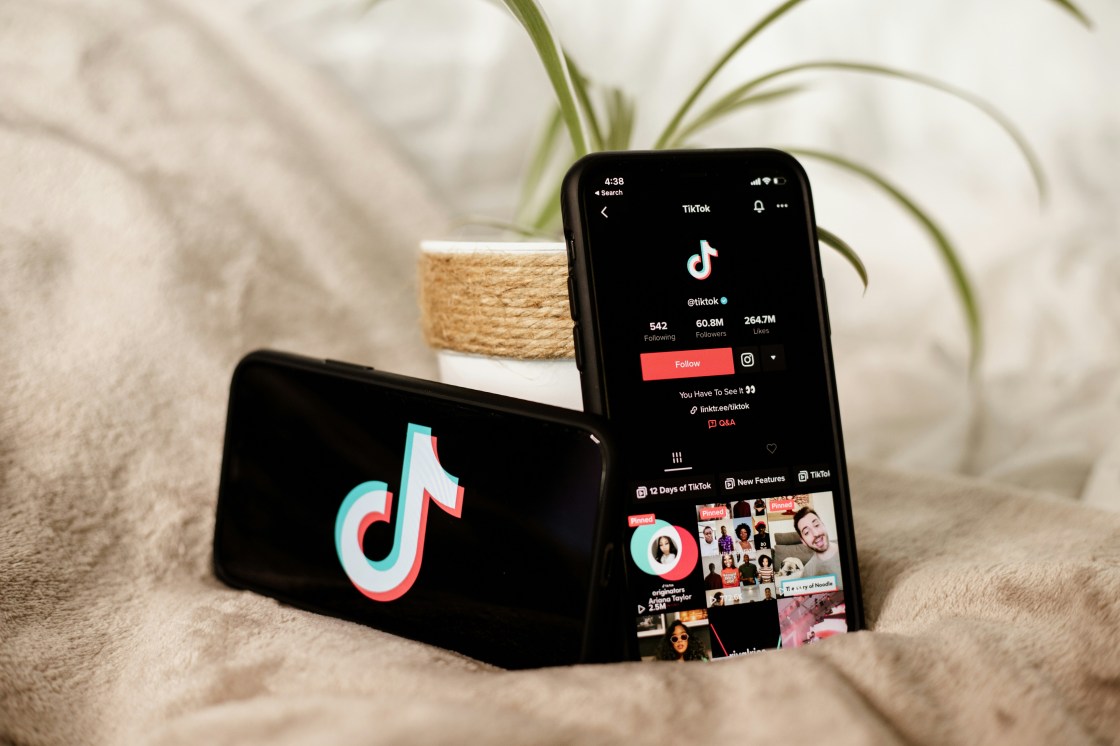
TikTok’s search algorithms are so advanced that the app used to be somewhat of a search engine. If you searched, “best hair dryers,” you would find infinitely many authentic reviews and top 5 lists with only a few paid collaborations sprinkled through.
Now, if you search for any beauty product, you will find an endless string of ads. Almost every video is an undisclosed sponsorship or dishonest promotion, and TikTok Shop is entirely at fault.
TikTok Shop, the social media app’s own embedded shopping feature (think AliExpress or Amazon) has completely changed TikTok’s landscape. Creators can now earn affiliate commission on products that they link in their videos, and they only reap benefits when the consumer purchases through their specific link. This means that a creator has only one goal when promoting a TikTok shop product: sell sell sell.
It doesn’t matter if the creator likes the product, hates it, or hasn’t tried it at all, they will use every persuasive tactic to convince you to buy it.
Since TikTok itself wants you to buy from their shop, they heavily promote these videos. TikTok ads on the “For You Page” used to be real commercials from brands like e.l.f. or Takis, but now almost every ad you see while scrolling is from a microinfluencer promoting the new hottest product.
And when you scroll through search results, the algorithm always brings you back to an ad, even if the advertised product is entirely unrelated to your query.
TikTok was once a battlefield, where the biggest obstacles were navigating online trolls, hate comments, and debates in the comments. Now, it’s a minefield, and a new trap is set everywhere you step. You simply cannot scroll without seeing a TikTok Shop ad.
The worst part isn’t even the prevalence of these ads—it’s the deception. Where honest reviews used to dominate the app, especially in the beauty sphere, it’s now almost impossible to find a single sincere evaluation amid the countless disingenuous ones.
Several months ago, a product called Cyperus rotundus oil started gaining traction on TikTok, with many influencers preaching to their audiences that this body oil (which is $30 for 2 fluid ounces) is just as effective as laser hair removal. But the promotion was suspicious. Most of the creators were claiming they had been using this product for a month or longer, even though it had started circulating online within a month of those videos’ publication. The script was always the same, too—they didn’t think the product would work, so they did their “own research” online, including a screenshot of a study by Ghada Farouk Mohammed that claimed to support its effectiveness.
The thing is, they all showed the exact same screenshot of Mohammed’s study. They did not do their own research as they claimed, and instead took the photo from another creator’s video. It’s unclear if conclusions can even be drawn from this study, and there is no other existing research, so this product does not even deserve its main claim to glory—legitimate scientific support.
It’s safe to say that most (if not all) of these influencers did not research the product, did not take their own screenshot of the study, and did not use the product for longer than a month before posting their review. Thus, it seems their most likely motive for promoting Cyperus rotundus oil was not to give a genuine recommendation—it was to lure viewers to the orange “buy” button.
A commerce-driven internet is nothing new, but TikTok Shop is steering it toward an increasingly materialistic and disconnected state. TikTok is much less focused on entertainment, personalized algorithms, and social interaction, now being almost entirely centered on marketing. Amid a sea of promotional content, it can be very difficult to find a product review without an affiliate link or “check my Linktree” tagline.
As a pioneer and leader of modern short-form entertainment, TikTok leads by example, and other social media sites hurry to replicate whatever new feature the company releases. Instagram has already implemented a similar shopping feature, but it isn’t promoted much and is hardly utilized. YouTube’s own version, while not its own shop, lets a creator post affiliate links on Shorts in the form of unmovable “stickers” that are an eyesore on your screen.
While small businesses can benefit from TikTok Shop, through its removal of external websites from the buying process, TikTok Shop’s dominion and influence is not a good sign. It signals an impending decline of entertainment in favor of merchandising, which has the potential to degrade social media overall as shopping completely takes over.
 The Roar